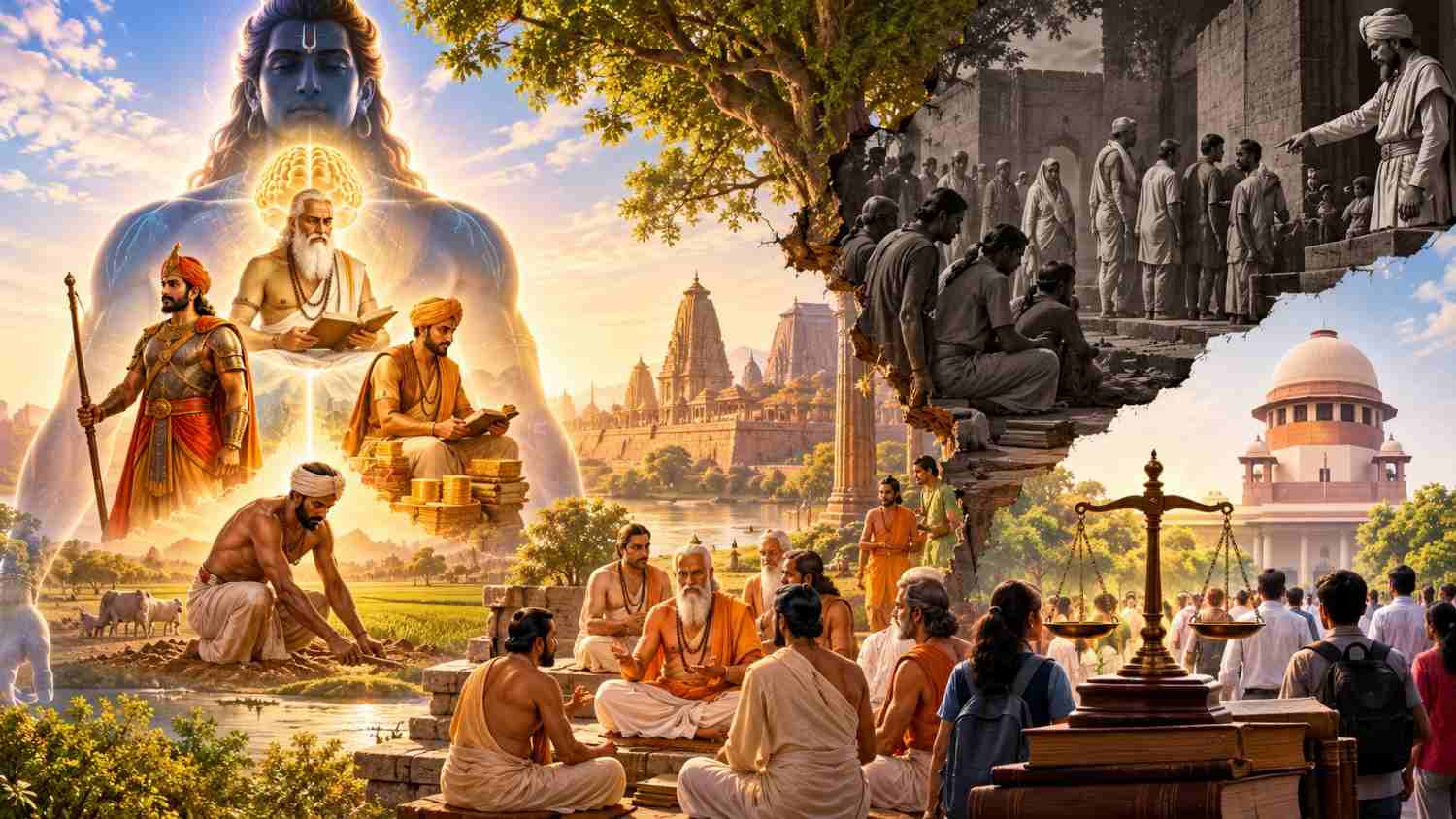

Casteism came from the Varna system, or we can say that it was created from that system. So, let’s find out about the Varna system.
According to history, there were two types of systems: one is the Varna system, and the other was the Ashram system. Ashram system defines your individuality. It has four categories: Brahmacharya, Grahasta, Vanprasth, and Sansyas, whereas the Varna system was about the social system.
It was about what proficiency you provide to society as a person. There were four categories: Brahmin, Kshatriya, Vaishya, and Shudra. To find the reality of casteism, we need to learn and understand the Varna system.
Understanding the Varna System
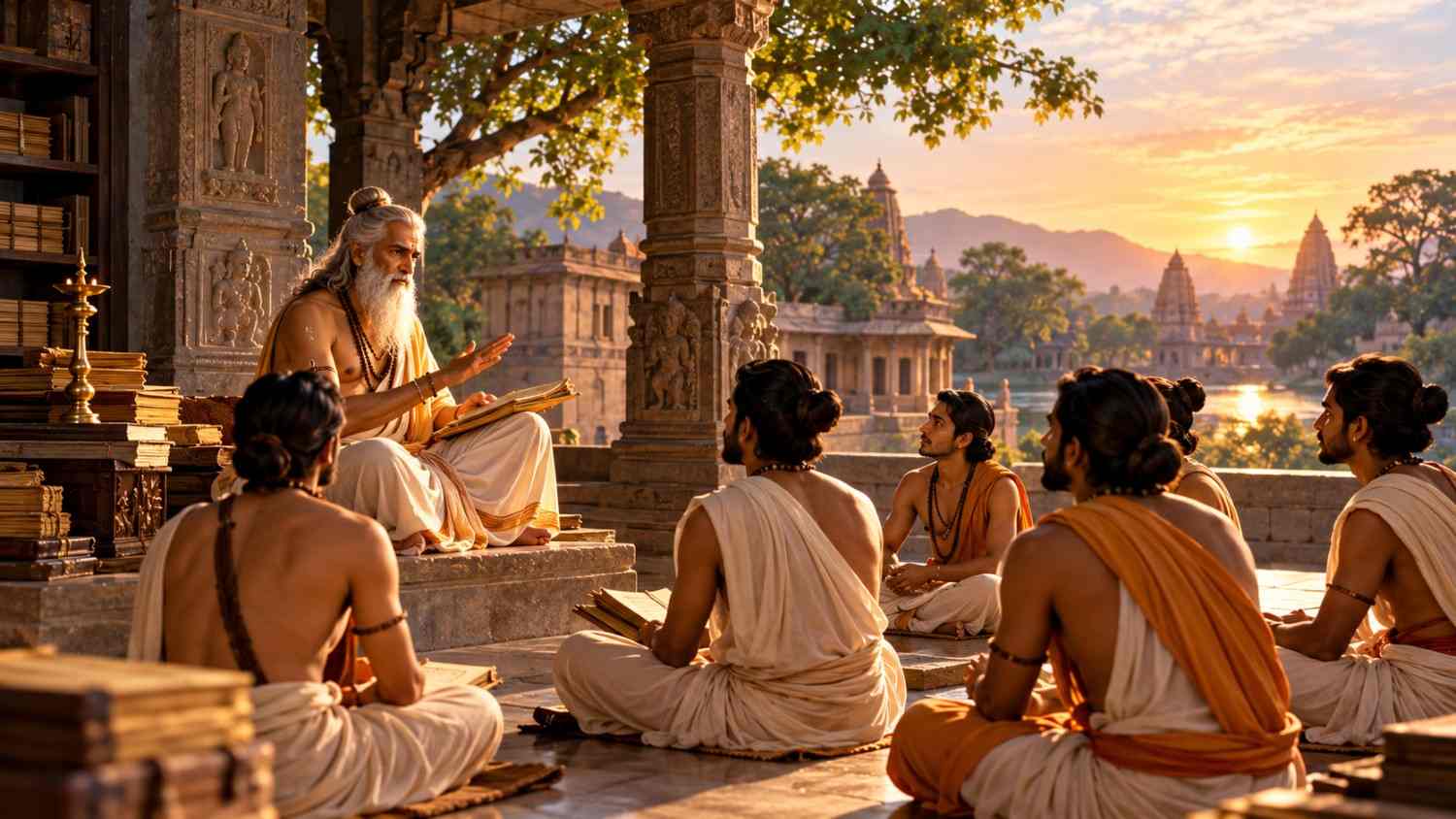
Many people misunderstand this term as casteism, but both are different. Varna system doesn’t describe your caste; it describes your profession in society.
Due to this Varna system, India was working in a categorised system in different fields such as science, arts, literature, and its civilization. Due to this, we saw positive growth in India’s development.
We can see many examples of the Varna system in our day-to-day life; for example, you can see different ministries are divided in the assembly, like the Finance Department, the Ministry of Defense, the Ministry of Education, etc.
But why are there only four categories in the Varna system, and where did this Varna system come from?
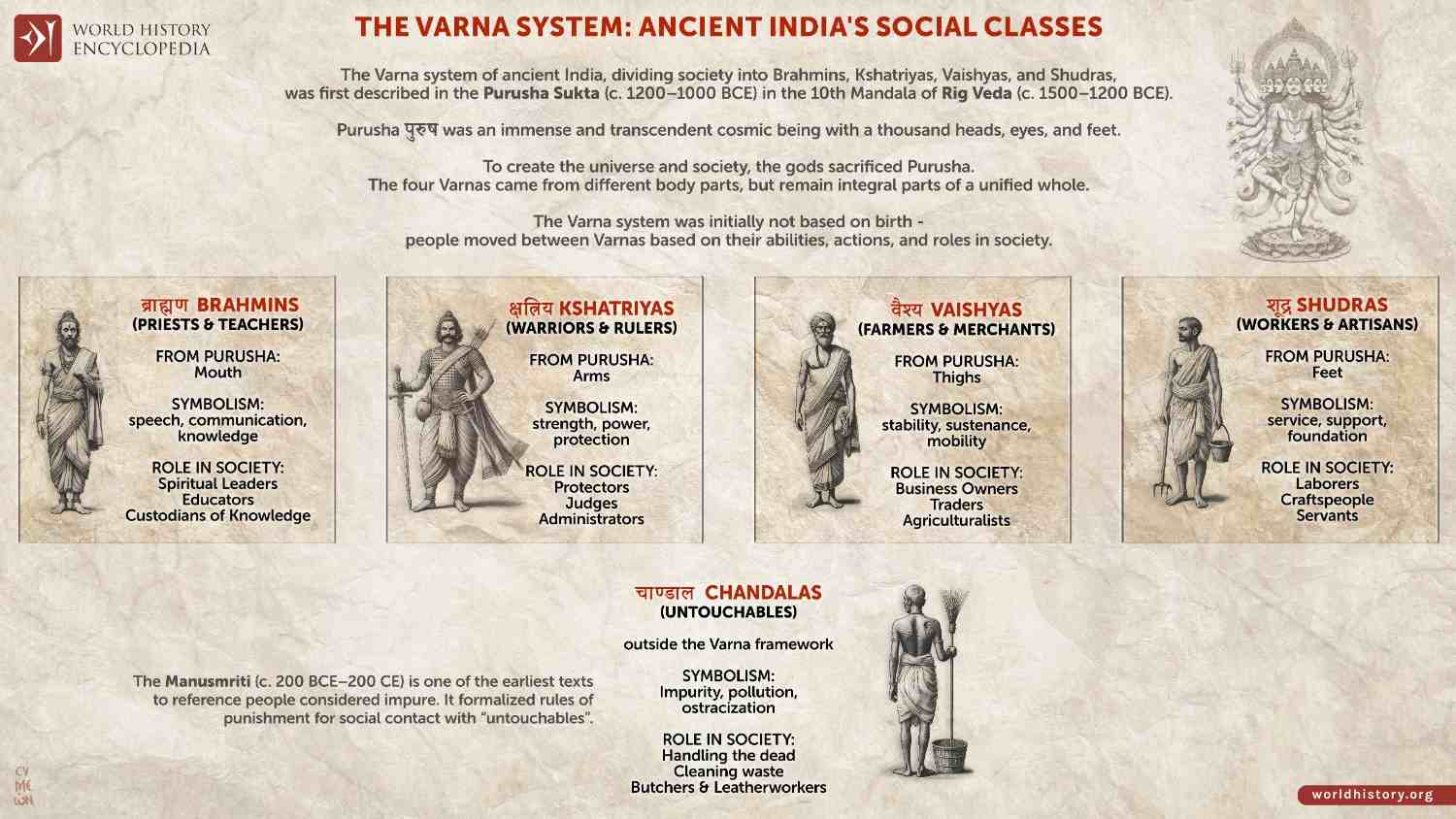
It came from the human body. Our human body is divided into four Varnas: the first is our brain, the second is our hands/shoulders, the third is stability, and the fourth is speed.
In the Rigveda, Mandala 10, Sukta 90 of the Purusha Sukta, we can find the cosmic consciousness, which explains the four varnas of the human body and also explains that these varnas were according to your profession.
Varna System in Ramayana and Mahabharata
Let’s see the Varna system in the Mahabharata and Ramayana. In Valmiki Ramayana, Aranyakanda Chapter 14 Shloka 30, we can find that these four varnas came from the human body.
Caste comes by birth, whereas varna comes from your Karma; for example, Rishi Vishwamitra was a Kshatriya, but by controlling his senses through penance he became a Brahmin.
Anyone can become a Brahmin if he regulates his senses through self-discipline. Brahmin is a category in which a person should be mastered in his senses and divine work; whereas in the Mahabharata’s Shantiparva, an explanation was given, i.e when this universe was created, everyone was a Brahmin because they followed divine work and mastered their senses.
As time passed, different emotions and sentiments were developed among the human species, which created different attributes such as bravery, leading to Kshatriya; dairy farming and finance interests developed Vaishya, and the workforce became Shudra; this was proved in the Mahabharata’s Shantiparva, Chapter 188, Shloka 10-13.
Varna comes from Karma, whereas caste comes from birth. Later, this Varna System converted into the caste system, and people treated this Varna system as the caste system.
(Valmiki Ramayana, Aranyakanda Chapter 14 Shloka 30)
Shloka 30:
सर्वान पुण्यफलानवृक्षाननलापि व्यजायत।
विनता च शुकीपौत्री कद्रूश्च सुरसास्वसा।।
Translation: “Anala also gave birth to all kinds of trees bearing sacred fruits. Furthermore, Vinata was the granddaughter of Suki, and Kadru was the sister of Surasa”.
(Mahabharata’s Shantiparva Chapter 188 Shloka 10-13)
Shloka 10:
इन्द्रियाणि मनश्चैव यदा पिण्डीकरोत्ययम् ।
एष ध्यानपथः पूर्वो मया समनुवर्णितः ॥ १० ॥
Translation: When the practitioner brings together (unifies) all the senses and the mind, this constitutes the complete path of meditation that has been described by me.
Shloka 11:
तस्य तत्पूर्वसंरुद्धं मनःषष्ठमनन्तरम्
स्फुरिष्यति समुद्भ्रान्तं विद्युदम्बुधरे यथा ॥ ११ ॥
Translation: Even when previously restrained, that mind (along with the five senses as the sixth) will immediately flicker and wander about restlessly, just like a flash of lightning within a cloud.
Shloka 12:
जलबिन्दुर्यथा लोलः पर्णस्थः सर्वतश्चलः ।
एवमेवास्य तच्चित्तं भवति ध्यानवर्त्मनि ॥ १२ ॥
Translation: Just as a drop of water trembling on a leaf is unsteady and moves in all directions, so too does the mind of the practitioner fluctuate upon the path of meditation.
Shloka 13:
मांसशोणितसंघाते मेदस्नाय्वस्थिसंचये ।
भिद्यमाने शरीरे तु जीवो नैवोपलभ्यते ॥ १३ ॥
Translation: Continuing the exposition on steadying the fluctuating mind through patient, persistent practice and gradual control to attain tranquility over sensory impulses.
Evolution of the caste system
How did the caste system evolve? Caste is known as ‘Jati ‘, which refers to different meanings in different scriptures; for example, in YogDarshan ‘Jati’ refers to species, whereas according to Nyayasutram, ‘Jati’ means contradiction.
Later, these examples were taken in human species too, and from there the caste system started, where the varna system was mixed with the caste system.
How did the Varna system convert into the caste system? There were many reasons; in ancient times, outsiders such as the Yunani and Kushan who came to India were settled here and merged into our culture.
So, to differentiate them, this social separation started, and the other system was generational working professions, which remained the same through generations and led to the caste system.
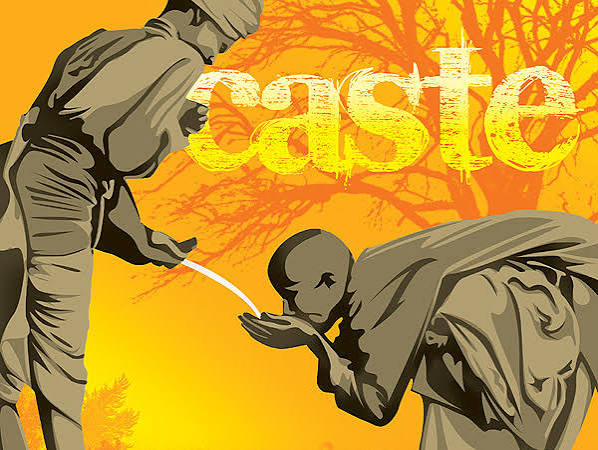
Over time, this caste system saw growth in India, which caused negative impacts such as caste discrimination, untouchability, impurity, and even much worse situations.
Many people were against this caste system, such as Kabirdas, Guru Nanak Dev, Swami Dayanand Saraswati, and the most highlighted name was Dr.Bhimrao Ambedkar.
Reality of reservation in India
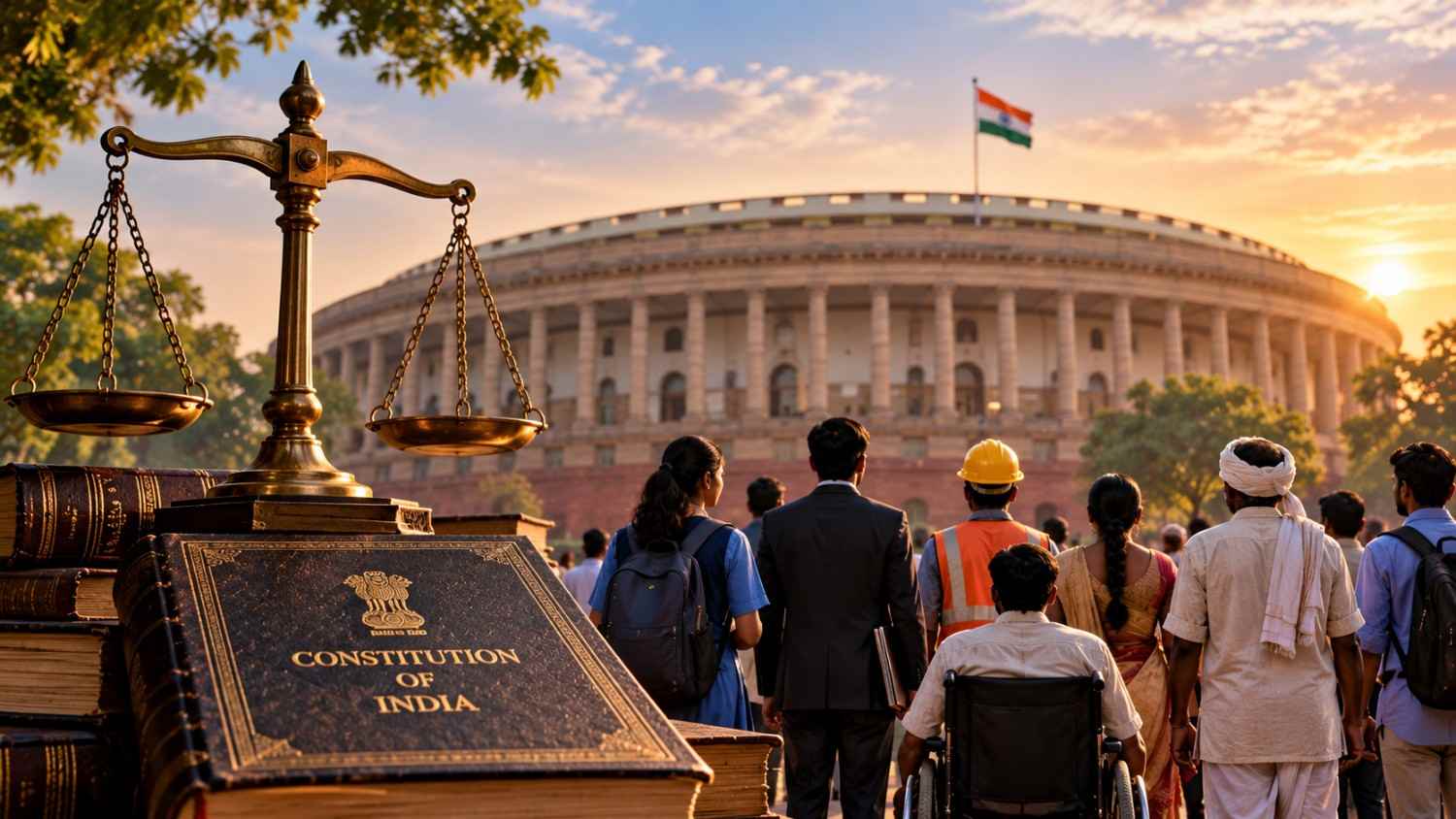
Reality of reservation. In the year 1933, British PM Ramsay MacDonald treated this reservation as a communal award. An agreement was signed between Bhimrao and Gandhiji, known as the Poona Pact, which provided reserved seats to the backward castes such as SC/ST in assembly constituencies for stable growth in the community.
In 1942, the British government held a council in which Bhimrao Ambedkar was one of the members, and the council provided 8.2% reservation for backward castes in civil services. So, from there, the reservation started.
Many people say that actually the reservation was for 10 years, but later on it was extended because people believe that there are still some people who are lagging behind this reservation facility.
As time passed, other backward communities also demanded reservation, which is OBC reservation, which was implemented in the year 1990.
Reservation is a basic human right and plays a vital role in economic growth, but why is the growth for lower castes but not for the higher castes who are economically unstable? So, by understanding this problem, in the year 2019, EWS was also implemented to favour lower-income General category people.
Supreme Court came up with some reservation bills and tried to filter them with two types of systems: one is the creamy layer in the SC/ST category; it says that if an SC/ST family has a better income and one of their family member is in govt post, no reservation will be provided to the other generation, and the second one was Quota within Quota, which means providing special facilities to the most disadvantaged people within the SC/ST category.
Many people were in favour, but most of them were opposed because the real meaning of reservation was not about financial growth; it was about providing equal rights to the lower-category people facing discrimination.
Conclusion
Many people think that casteism is a negative impact of Hinduism, but the reality is different. Caste was a human-created system that developed a negative impact on society; this casteism led to reservations, which have become a sensational and never-ending topic in India.
Reservation was a basic term of rights to humanity and economic growth, which was later turned into a disaster by some politicians. By reading the above article, you will find the reality of casteism.